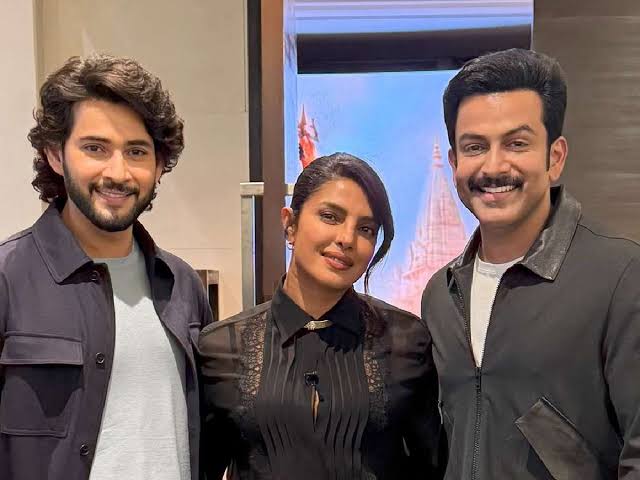
Meghna Gulzar’s feature *Daayra*, as reviewed in *The Hindu*, investigates society's growing appetite for extra-judicial violence and the systemic failures that enable it. Drawing inspiration from the 2019 Hyderabad case, the film moves away from typical Bollywood tropes that glorify rogue law enforcement. The plot begins when DCP Raman Kumar, played by Prithviraj Sukumaran, responds to a brutal attack on a young woman by killing the suspects under the guise of an encounter, triggering widespread public celebration. In response to Human Rights Commission scrutiny, the State initiates an internal probe headed by DCP Ajooni Kohli, portrayed by Kareena Kapoor Khan, thereby setting up a central ideological clash between institutional protocol and the immediate emotional release of vigilantism.
The source notes that the film adopts a clinical, journalistically detached approach to highlight numerous societal flaws, such as the preferential treatment given to affluent criminals—illustrated by a scene featuring an inmate receiving spa luxuries and avocado toast—while underprivileged suspects face immediate and lethal retribution. The narrative also examines infrastructural vulnerabilities, including poorly monitored expressways that endanger female scooterists, and critiques the complexities of the juvenile justice system by referencing the Nirbhaya case. Despite this analytical framing, the review points out that the screenplay ultimately favors Raman’s perspective, granting his frustration greater dramatic weight and subtly validating his unlawful actions while glossing over the mental state of the accused.
Regarding filmmaking craft, the reviewer observes that while the initial hour maintains tight, efficient pacing, the second half stumbles and the climax feels overly drawn out. The grounded realism of the screenplay falters when characters begin explicitly voicing subtext, and Kareena Kapoor Khan's performance suffers from an overly relaxed demeanor that lacks internal urgency, partly because the script assigns the most compelling, emotionally charged dialogue to Prithviraj Sukumaran and Jitendra Joshi. Although *Daayra* may not completely alter public consciousness, the publication suggests it offers enough friction to force a reactionary public and a broken system to pause and reflect.
At a glance
- Meghna Gulzar’s feature *Daayra*, as reviewed in *The Hindu*, investigates society's growing appetite for extra-judicial violence and the systemic failures that enable it.
- Drawing inspiration from the 2019 Hyderabad case, the film moves away from typical Bollywood tropes that glorify rogue law enforcement.
- The plot begins when DCP Raman Kumar, played by Prithviraj Sukumaran, responds to a brutal attack on a young woman by killing the suspects under the guise of an encounter, triggering widespread public celebration.
The update
Meghna Gulzar’s feature *Daayra*, as reviewed in *The Hindu*, investigates society's growing appetite for extra-judicial violence and the systemic failures that enable it. Drawing inspiration from the 2019 Hyderabad case, the film moves away from typical Bollywood tropes that glorify rogue law enforcement. The plot begins when DCP Raman Kumar, played by Prithviraj Sukumaran, responds to a brutal attack on a young woman by killing the suspects under the guise of an encounter, triggering widespread public celebration. In response to Human Rights Commission scrutiny, the State initiates an internal probe headed by DCP Ajooni Kohli, portrayed by Kareena Kapoor Khan, thereby setting up a central ideological clash between institutional protocol and the immediate emotional release of vigilantism.
The source notes that the film adopts a clinical, journalistically detached approach to highlight numerous societal flaws, such as the preferential treatment given to affluent criminals—illustrated by a scene featuring an inmate receiving spa luxuries and avocado toast—while underprivileged suspects face immediate and lethal retribution. The narrative also examines infrastructural vulnerabilities, including poorly monitored expressways that endanger female scooterists, and critiques the complexities of the juvenile justice system by referencing the Nirbhaya case. Despite this analytical framing, the review points out that the screenplay ultimately favors Raman’s perspective, granting his frustration greater dramatic weight and subtly validating his unlawful actions while glossing over the mental state of the accused.
Regarding filmmaking craft, the reviewer observes that while the initial hour maintains tight, efficient pacing, the second half stumbles and the climax feels overly drawn out. The grounded realism of the screenplay falters when characters begin explicitly voicing subtext, and Kareena Kapoor Khan's performance suffers from an overly relaxed demeanor that lacks internal urgency, partly because the script assigns the most compelling, emotionally charged dialogue to Prithviraj Sukumaran and Jitendra Joshi. Although *Daayra* may not completely alter public consciousness, the publication suggests it offers enough friction to force a reactionary public and a broken system to pause and reflect.
Source note: This page is an original summary of public coverage and discussion. It does not reproduce the source article.
Source: The Hindu